
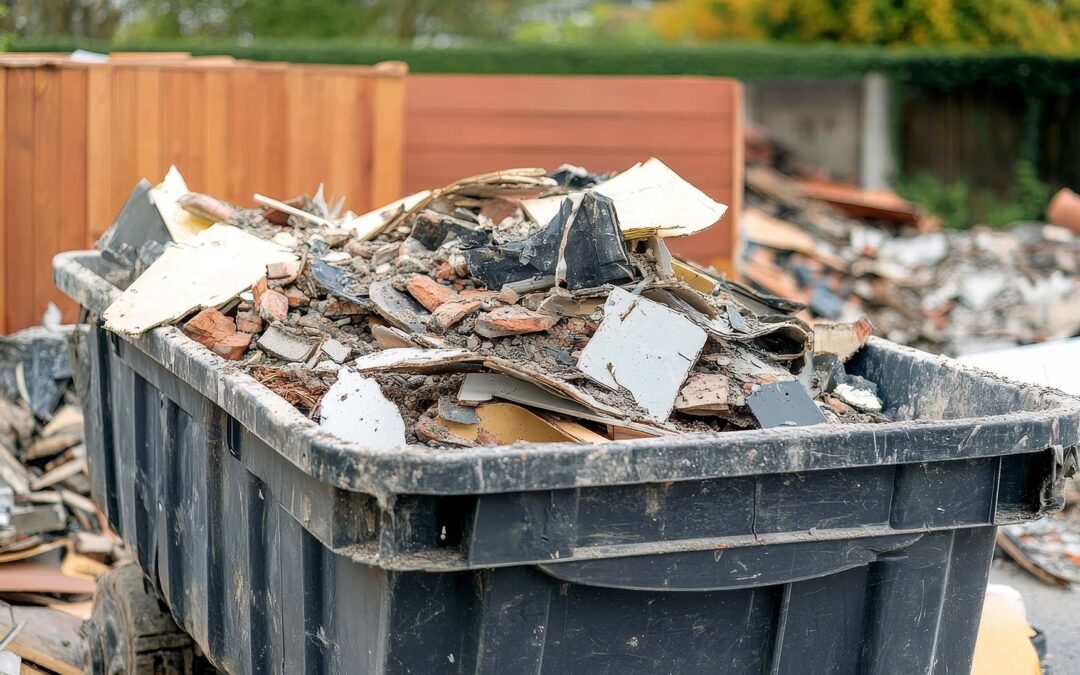
Industrial manufacturing facilities generate debris as a natural byproduct of daily operations. Scrap materials, packaging waste, damaged pallets, production offcuts, and obsolete equipment accumulate quickly and can become a serious operational liability if not managed consistently. While many manufacturers address debris reactively, a monthly debris removal plan provides a structured, proactive solution that supports safety, efficiency, and compliance.
For industrial manufacturers, debris management is not just about cleanliness. It directly impacts productivity, regulatory risk, equipment performance, and workforce safety. Below are five critical reasons why a monthly debris removal plan should be a standard part of manufacturing operations.
1. Improves Workplace Safety and Reduces Liability
Manufacturing environments already carry inherent risks. When debris is allowed to accumulate, those risks increase significantly.
Common hazards caused by unmanaged debris include:
- Tripping hazards in walkways and work zones
- Fire risks from flammable scrap materials
- Blocked emergency exits and safety equipment
- Increased forklift and equipment accidents
A monthly debris removal plan ensures waste is cleared before it becomes a safety issue. Consistent removal reduces the likelihood of OSHA violations, workers’ compensation claims, and costly shutdowns caused by preventable accidents.
For manufacturers, proactive debris management demonstrates a commitment to safety culture, which can positively influence employee morale and retention.
2. Maintains Operational Efficiency and Workflow
Excess debris interferes with efficient production. When scrap piles grow or unused materials clutter workspaces, employees lose time navigating around obstacles, locating tools, or clearing space to complete tasks.
Operational inefficiencies caused by debris buildup include:
- Reduced usable floor space
- Delays in material handling and staging
- Inefficient equipment movement
- Increased downtime for cleanup during production hours
A monthly debris removal plan keeps workflows predictable and uninterrupted. Scheduled cleanouts allow debris removal to happen during planned windows rather than during peak production times, minimizing disruption and maintaining output consistency.
3. Supports Regulatory Compliance and Inspections
Manufacturing facilities are subject to regular inspections from OSHA, fire marshals, environmental agencies, and insurance providers. Poor debris management is a common cause of citations and compliance failures.
A structured monthly debris removal plan helps manufacturers:
- Meet OSHA housekeeping standards
- Reduce fire code violations
- Maintain clear access to exits and safety stations
- Demonstrate documented waste management practices
Having a documented plan in place also shows inspectors that debris control is intentional and ongoing, not reactive. This can reduce fines, speed up inspections, and prevent operational interruptions caused by compliance issues.
4. Protects Equipment and Infrastructure
Debris does not just affect people. It also impacts equipment, machinery, and facility infrastructure. Dust, scrap, and loose materials can damage sensitive components, clog ventilation systems, and accelerate wear and tear.
Common equipment-related issues caused by debris include:
- Blocked airflow to machinery
- Increased maintenance frequency
- Higher risk of mechanical failure
- Shortened equipment lifespan
A monthly debris removal plan helps preserve the condition of both equipment and the facility itself. By removing waste before it migrates into mechanical systems or structural areas, manufacturers reduce long-term maintenance costs and protect capital investments.
5. Creates Predictable Budgeting and Cost Control
Reactive debris removal often costs more than planned service. Emergency cleanouts, production stoppages, and last-minute hauling requests typically come with higher labor costs and scheduling challenges.
A monthly debris removal plan offers financial predictability by:
- Establishing consistent service intervals
- Reducing emergency hauling needs
- Preventing large-scale cleanouts
- Allowing accurate budgeting for waste management
For industrial manufacturers operating on tight margins, predictable costs matter. Monthly plans transform debris removal from an unpredictable expense into a controlled operational line item.
Why Monthly Scheduling Works Best for Manufacturers
Manufacturing debris accumulates steadily, not sporadically. Monthly scheduling aligns with production cycles, maintenance planning, and safety audits.
Monthly debris removal allows manufacturers to:
- Address buildup before it becomes excessive
- Coordinate with shutdowns or low-production periods
- Maintain consistent facility standards
- Adjust volume based on seasonal production changes
Compared to quarterly or on-demand removal, monthly plans strike the right balance between cost efficiency and operational control.
What a Monthly Debris Removal Plan Typically Includes
While plans vary by facility size and industry, most effective debris removal plans include:
- Scheduled monthly hauling services
- Designated debris collection areas
- Clear material acceptance guidelines
- Volume-based or flat-rate pricing
- Documentation for compliance and audits
Working with a hauling provider experienced in industrial environments ensures debris is handled safely, efficiently, and in accordance with local regulations.
The Real Cost of Inconsistent Debris Removal in Manufacturing
Manufacturers often struggle with unmanaged debris accumulation that leads to safety risks, compliance issues, operational inefficiencies, and unpredictable costs. This article demonstrates how a monthly debris removal plan provides a proactive, scalable solution that supports safer facilities, smoother operations, and better cost control.
Need Ongoing Debris Removal for Your Facility?
If debris is piling up between cleanouts, a monthly debris removal plan can keep your facility safe, compliant, and running efficiently. Schedule a walkthrough to see if a recurring plan makes sense for your operation.
Mini-FAQ for Industrial Manufacturers
What is the purpose of the debris project management plan?
The purpose of a debris project management plan is to establish a structured process for identifying, collecting, and removing industrial waste on a consistent schedule. It ensures debris does not interfere with safety, operations, or compliance while providing accountability and predictability.
How often should industrial debris be removed?
What types of debris are typically included in industrial removal plans?
Can a monthly debris removal plan be adjusted as production changes?
Yes. A properly designed plan is flexible and can be adjusted based on production volume, seasonal demand, or operational changes. This ensures manufacturers are not paying for unnecessary service while still maintaining facility standards.