
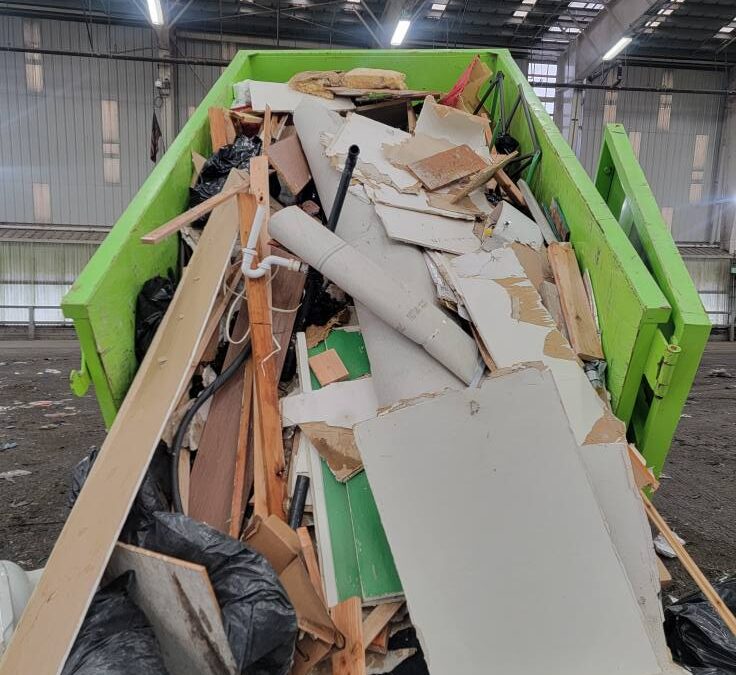
Jobsite cleanup is rarely what wins bids or gets talked about in planning meetings, but it has a direct impact on safety, timelines, and how professional your operation looks to clients and inspectors. For contractors and remodelers, messy jobsites often lead to delays, frustrated crews, and unnecessary risk. Staying ahead of cleanup issues is about building smarter habits and using the right support so that debris never becomes a problem.
Below are three of the most common jobsite cleanup problems and how proactive contractors stay ahead of them.
1. Debris buildup slows crews down
One of the biggest hidden productivity killers on a jobsite is unmanaged debris. Scraps of drywall, lumber offcuts, packaging, and demolition waste pile up quickly. When debris is not removed regularly, crews waste time navigating around it, moving it multiple times, or stopping work altogether to clear space.
Debris buildup often leads to material damage as well. New finishes get scratched, tools get buried, and usable materials get tossed accidentally. Over the course of a project, this can quietly eat into profit margins.
Staying ahead of this problem means scheduling cleanup as part of the workflow, not as an end-of-project task. Contractors who do this successfully usually rely on:
-
Scheduled debris removal during each project phase
-
Dedicated staging areas for waste and recyclable materials
-
Consistent hauling support instead of overloading crew members
These are the same types of cleanup services many contractors already rely on for junk removal, construction debris hauling, and demolition cleanup when working with companies like Skookum Hauling. The key is treating cleanup as an operational task, not a favor crews handle when time allows.
2. Safety hazards that increase risk and liability
A cluttered jobsite is one of the fastest ways to invite injuries. Loose debris, protruding nails, unstable piles, and blocked walkways increase the risk of slips, trips, and falls. According to industry safety data, these incidents remain one of the leading causes of jobsite injuries.
The challenge is that hazards often build gradually. What starts as a few boards or bags of trash quickly turns into a site-wide risk if no one is clearly responsible for cleanup.
Proactive contractors reduce safety issues by:
-
Removing debris daily instead of weekly
-
Keeping walk paths and exits clear at all times
-
Using hauling services to eliminate overflow waste
When safety is prioritized, cleanup is no longer optional. Regular hauling and site clearing not only protect workers but also reduce liability exposure and inspection issues. A clean site signals control and professionalism to everyone who walks it, from inspectors to property owners.
3. Unprofessional appearance that hurts client trust
Clients may not understand framing schedules or material lead times, but they absolutely notice a messy jobsite. Overflowing trash, scattered debris, and dust-covered areas create the impression of disorganization. Even if the work itself is high quality, a dirty site can damage trust.
This is especially important for remodelers working in occupied homes or visible commercial spaces. A cluttered site makes clients uncomfortable and increases the chance of complaints or negative reviews.
Contractors who protect their reputation focus on visible cleanliness throughout the project. This often includes:
-
Post-demo cleanup to reset the site quickly
-
Ongoing junk removal to prevent buildup
-
Final construction cleanup before walkthroughs
These are services commonly used by contractors who partner with hauling professionals like Skookum Hauling to maintain a clean, client-ready site without pulling labor off skilled work.
How proactive cleanup protects your bottom line
Jobsite cleanup is not just about appearance or safety. It directly affects productivity, scheduling, and profitability. When crews are not responsible for hauling waste or managing debris piles, they stay focused on revenue-generating work. When sites are clean, inspections move faster and projects stay on schedule.
Outsourcing cleanup and hauling also makes costs predictable. Instead of absorbing lost labor hours or risking damage, contractors gain a reliable system that scales with project size.
For contractors and remodelers who want fewer delays, safer sites, and happier clients, proactive cleanup is one of the simplest operational upgrades available.
Frequently Asked Questions about jobsite cleanup
How do you maintain a clean and safe work site?
Maintaining a clean and safe work site requires daily debris control, clear walkways, designated waste areas, and regular hauling. Treat cleanup as part of the schedule, not a final task.
What is the biggest safety issue on a construction site?
One of the biggest safety issues is slips, trips, and falls caused by unmanaged debris and clutter. Consistent cleanup greatly reduces this risk.
Who is responsible for cleanup after construction?
Ultimately, the contractor is responsible for ensuring the site is cleaned. Many contractors handle this efficiently by working with professional hauling and cleanup services.